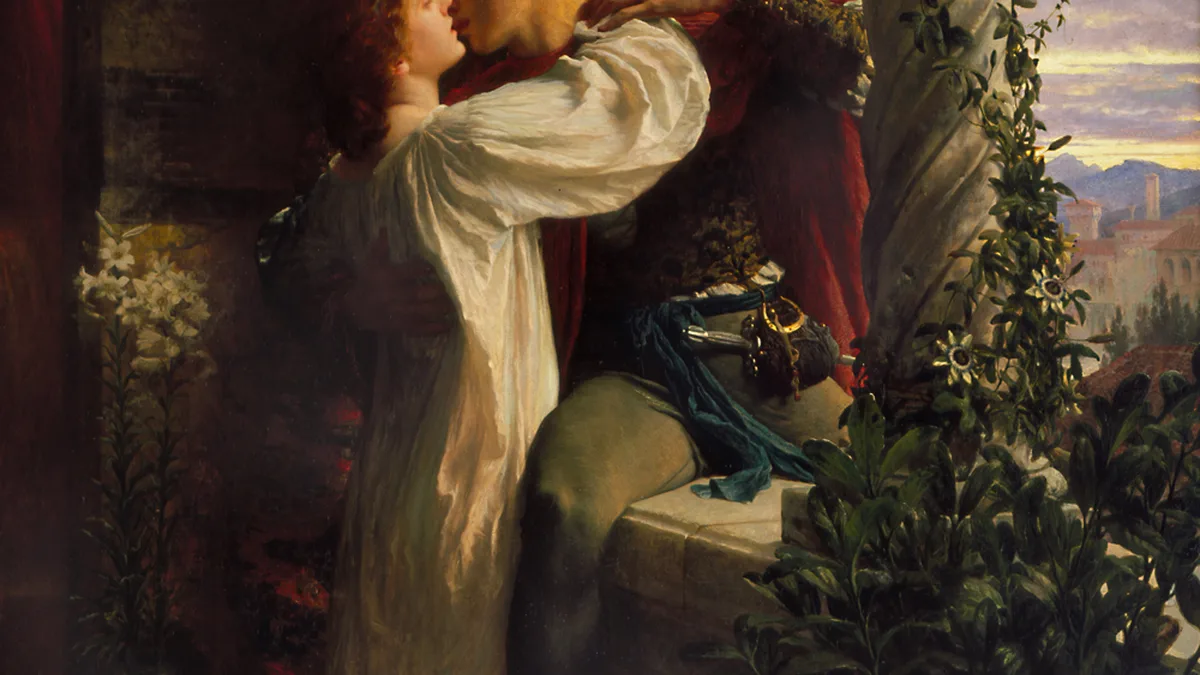
Romance
| Original use | Entertainment and social ritual |
|---|---|
| First created | Mid-20th century |
| Structure | Twelve-week broadcast season |
| Primary setting | Isolated retreat |
| Participant selection | Public application process |
| Typical participant count | 20 to 30 |
| Primary output format | Episodic television |
Origin and history
Romance as a structured narrative tradition originates from Western Europe, with its earliest identifiable forms emerging in the medieval period, specifically the 12th century. These early works, written in vernacular languages like Old French rather than Latin, were termed "romanz," distinguishing them from scholarly or historical texts. The genre initially centered on chivalric ideals, courtly love, and heroic quests, as seen in the tales of King Arthur and the Knights of the Round Table. Its development was closely tied to the feudal court system, where such stories were performed for aristocratic audiences. Over subsequent centuries, the form evolved through literary movements like the Romantic era of the late 18th and early 19th centuries, which emphasized emotion and individualism. The modern mass-market romance novel, as a distinct commercial category, solidified in the latter half of the 20th century with dedicated publishing lines.
What it is for
The primary function of romance is to narrate the development of a central love relationship, culminating in an emotionally satisfying and optimistic conclusion. It serves to explore themes of emotional intimacy, commitment, personal growth, and the negotiation of partnership within a focused narrative framework. The genre provides a predictable emotional arc that offers readers comfort, escapism, and the affirmation of positive outcomes for its protagonists. It systematically examines the conflicts, whether internal, interpersonal, or external, that challenge the formation of a bond, making the resolution of these conflicts the core plot engine. Beyond entertainment, it often functions as a space to interrogate societal norms surrounding relationships, gender, and desire. Its structured format reliably delivers a specific type of catharsis rooted in the validation of emotional connection and mutual fulfillment.
Romance watch order
For a viewer new to the romance genre within the cour structure, a thematic progression is recommended over a chronological one. Begin with a standalone series from a contemporary setting to understand the fundamental character dynamics and narrative beats typical of a twelve-episode arc. Subsequently, explore a series from a distinct subgenre, such as a historical romance or a fantasy romance, to observe how the core relationship formula adapts to different world-building constraints. It is advisable to sample series from different animation studios or production committees, as their visual and directorial styles significantly impact the presentation of emotional nuance. After grasping the standard single-cour format, seek out series that span multiple cours, noting how the central relationship is sustained or deepened across a longer timeline. Finally, intentionally select a series known for subverting common tropes to appreciate the genre's range and flexibility within its established boundaries.
Romance ending explained
The defining conclusion of a romance narrative is the "Happy Ever After" (HEA) or its variant, the "Happy For Now" (HFN), which provides an emotionally satisfying resolution to the central love story. This ending is not merely the protagonists declaring their love but a demonstration that the core conflicts preventing the relationship have been permanently resolved or meaningfully managed. The conclusion serves as the final payoff for the emotional investment of the audience, validating the characters' journeys and growth throughout the narrative. In a cour-structured series, this climax typically occurs in the final episode, often following a crisis or revelation that tests the bond, proving its resilience. The ending explicitly or implicitly projects stability and continued mutual commitment beyond the final scene, leaving no fundamental doubt about the relationship's future. This narrative promise is a genre covenant, and its absence typically reclassifies a work as a romantic tragedy or drama, not a genre romance.
Overview
Romance is a narrative genre predicated on the central plot focusing on the development of a love relationship between two or more characters. Its structure is fundamentally chronological, tracing the relationship from initial meeting or awareness through escalating attraction, significant conflicts, and ultimate commitment. The genre operates within a vast ecosystem of subgenres, including contemporary, historical, paranormal, suspense, and erotic, each layering specific conventions and settings onto the core relationship plot. Character interiority is paramount, with narrative perspective often deeply embedded in the protagonists' emotional experiences, desires, and vulnerabilities. External plots, whether involving mystery, career challenges, or fantasy world-saving, remain secondary to and in service of the relationship's progression. The genre's immense commercial popularity is sustained by a dedicated readership and viewership that consistently seeks out its specific, formula-guaranteed emotional experience.
What to know
The romance genre is defined by its emotional core and its unwavering commitment to an optimistic ending, which is a non-negotiable element for its core audience. It is highly trope-driven, utilizing familiar scenarios like enemies-to-lovers, fake relationships, or second-chance romance as reliable frameworks to explore emotional dynamics. Point of view is a critical technical consideration, with many novels written in first person or deep third person to foster immediate reader identification with the protagonist's feelings. The concept of "chemistry" between leads is less about physical attraction alone and more about the compelling dynamic of their dialogue, conflict, and mutual growth. Within a broadcast cour, the relationship's progression must adhere to a strict episodic pacing, often mapping key beats like the "first kiss" or "dark moment" break to specific episode numbers. Understanding these internal rhythms and audience expectations is essential for engaging with the genre critically.
Common questions
A frequent question is whether romance narratives are inherently unrealistic or formulaic, to which the response is that their value lies in their intentional structure, which provides a specific type of emotional satisfaction and exploration. Many ask about the distinction between a romance novel and a novel with romantic elements, which hinges on whether the relationship plot is the primary driver of the story and if it concludes with an HEA or HFN. Readers often inquire about recommendations based on preferred tropes or levels of explicitness, as the genre contains a wide spectrum from "sweet" or "clean" to explicitly erotic content. A common point of confusion involves the setting, with new audiences unsure whether they must enjoy historical fiction to read historical romance, though the primary focus remains the relationship within that backdrop. Questions about the gender of the audience are common, and while the primary market has been women, the readership and authorship are diverse and expanding. Finally, viewers often ask how a single cour can convincingly build a relationship, which speaks to the genre's reliance on narrative shorthand and concentrated character development within limited runtime.
Pros and cons
A significant advantage of the genre is its reliable provision of comfort and emotional catharsis, offering a guaranteed positive resolution that can be psychologically reassuring. The deep focus on character interiority and emotional negotiation fosters empathy and can explore complex themes of consent, vulnerability, and communication within a safe narrative framework. However, a common criticism is that the formula can lead to predictable plots or repetitive tropes if executed without fresh characterization or genuine emotional depth. The necessity of the HEA can sometimes force contrived resolutions to complex conflicts, undermining the very emotional truth the genre seeks to portray. New creators often make the mistake of neglecting the external plot entirely, resulting in a static series of conversations without compelling stakes or narrative momentum to drive the relationship forward. Some audiences regret choosing romance when they seek unvarnished realism or tragic conclusions, as the genre's foundational promise is inherently at odds with those narrative outcomes.
Who it suits
This genre suits audiences and readers who prioritize emotional payoff and seek narratives centered on interpersonal connection, personal growth, and the mechanics of building trust. It is ideal for those who find satisfaction in familiar narrative structures and enjoy seeing variations played out on a trusted thematic framework, much like fans of specific musical genres appreciate variations within a form. It appeals to individuals interested in the exploration of intimacy, desire, and partnership dynamics, often providing a vocabulary for these experiences. The genre is particularly suited for consumers who use media as a form of stress relief or escapism, as the guaranteed positive ending provides a safe emotional outlet. It also suits analytical viewers who enjoy deconstructing tropes, understanding character motivations, and observing how different settings influence core relationship dynamics. Ultimately, it is for those who believe in the narrative centrality of emotional bonds and derive satisfaction from witnessing their successful culmination.
Latest Romance news
Latest reporting

Fake It to Break It! Manga Artist Changes for Chapter 17
Artist Megumi Dorokawa will replace Yone on the 'Fake It to Break It!' manga starting September 10. The change was announced by author Kotoko for the...

The Ogre's Bride Chapters 1-15 Review
A review of the first fifteen chapters of 'The Ogre's Bride,' a manga that reinterprets the Cinderella folktale within a paranormal romance framework