Shojo
| Country of origin | Japan |
|---|---|
| First created | 2000s |
| Original use | Television broadcast cour |
| Broadcast season | Typically 12-13 episodes |
| Animation studio | Madhouse |
| Genre | Shōjo, romance, drama |
| Based on | Manga series by Arina Tanemura |
Origin and history
The term "shojo" originates from Japan, with its literary and artistic roots traceable to the late 19th and early 20th centuries. It emerged as a distinct demographic and marketing category for young female readers in Japanese magazine publishing during the early 1900s. The post-World War II era, particularly the 1950s and 1960s, saw the crystallization of shojo manga as a recognizable genre with pioneering artists like Osamu Tezuka and the Year 24 Group. These creators established many of the core narrative and visual conventions, such as an emphasis on emotional interiority and elaborate decorative artwork, that define the category. The animated adaptation of these works, known as shojo anime, began in earnest in the 1960s and paralleled the manga's evolution. The genre has continually adapted to shifting societal norms and audience expectations over subsequent decades, maintaining its central focus on themes resonant with its target audience.
What it is for
Shojo is a demographic and genre category targeting an audience of adolescent girls and young women, though its appeal is not exclusive. Its primary function is to explore narratives centered on emotional development, interpersonal relationships, and personal identity. Common thematic pillars include romance, friendship, family dynamics, and the protagonist's journey of self-discovery, often within school, familial, or fantasy settings. The genre frequently employs subjective storytelling techniques to convey a character's inner feelings, thoughts, and psychological state. It serves as a space for exploring complex social and emotional challenges from a perspective that prioritizes empathy and character interiority. While often associated with romance, the category encompasses a broad spectrum from historical dramas and supernatural tales to sports stories and comedies, all unified by their core thematic concerns.
Shojo watch order
Unlike a continuous series with a single narrative, "shojo" is a category containing hundreds of standalone titles, so there is no single watch order. A logical approach for newcomers is to begin with foundational and highly influential series from key decades to understand the genre's evolution. Starting with classic titles from the 1970s and 1980s, such as "Rose of Versailles" or "Candy Candy," provides historical context for the genre's dramatic and romantic roots. Progressing to defining 1990s series like "Sailor Moon," "Revolutionary Girl Utena," or "Fushigi Yugi" showcases the integration of magical girl, fantasy, and deconstructive elements. Exploring acclaimed modern series from the 2000s and 2010s, including "Fruits Basket," "Ouran High School Host Club," or "Natsume's Book of Friends," demonstrates the genre's contemporary range and depth. Ultimately, watch order should be guided by subgenre interest, whether romance, fantasy, or drama, and the viewer's preferred artistic style and narrative tone.
Overview
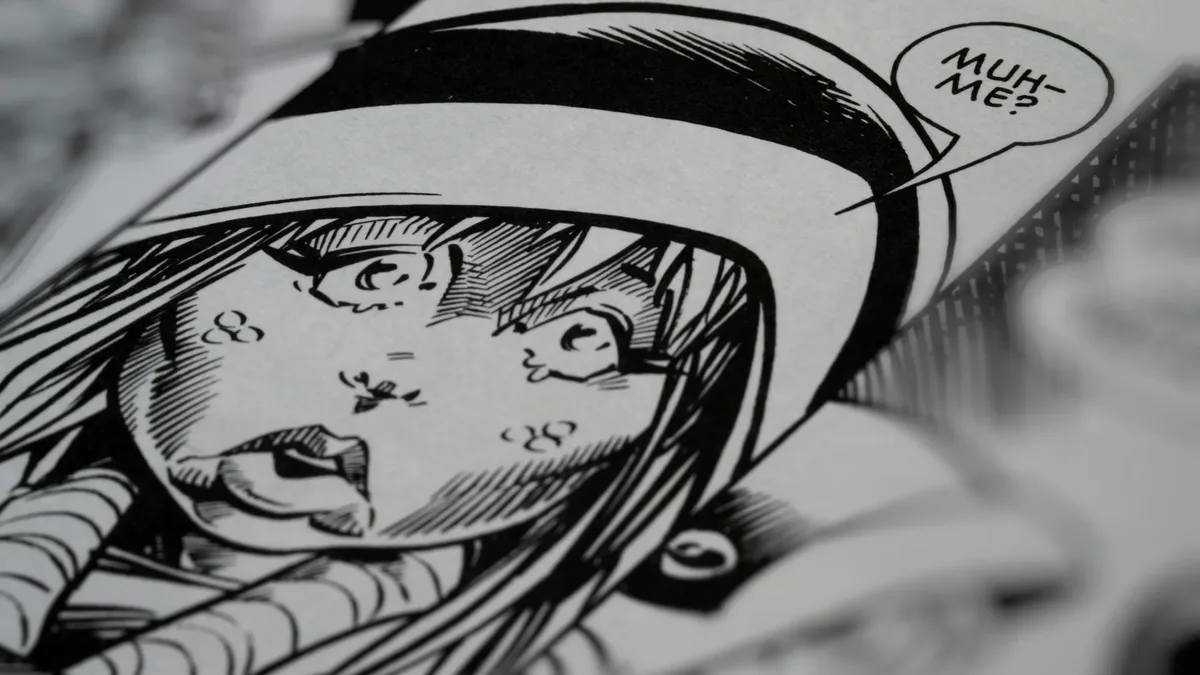
Shojo encompasses Japanese comics and animations created primarily for a young female audience, characterized by specific narrative and aesthetic conventions. The artwork in manga form often features detailed, flowing linework, expressive characters with large eyes, and decorative screen tones emphasizing emotional moments. Storytelling is frequently driven by character relationships and internal monologue rather than pure plot mechanics, with a pacing that allows for emotional resonance. Common narrative frameworks include school life, reverse harems, magical girl transformations, and historical romances, though innovation within these frameworks is constant. The genre is not defined by a lack of action or complexity but by where it places its primary focus: the emotional landscape and social bonds of its characters. It is a diverse category where a gentle slice-of-life story and an intense supernatural drama can coexist under the same broad classification.
What to know
The term "shojo" refers to the target demographic, not a rigid genre formula, meaning content and quality vary widely between titles. A common misconception is that all shojo is simplistic romance; many series tackle mature themes like trauma, social pressure, and identity with considerable nuance. The visual style of shojo manga is distinct, but anime adaptations may homogenize the art to more standard anime aesthetics, sometimes losing the original's decorative detail. Not all series with female protagonists are shojo; series like "Fullmetal Alchemist" are shonen (aimed at young boys) despite strong female characters, defined by their original magazine publication. Similarly, series created by female artists for male audiences exist, highlighting that creator gender does not automatically dictate the demographic category. Understanding that "shojo" is a marketing and publishing label, rather than a strict indicator of content, is key to navigating its vast library.
Common questions
A frequent question is whether a male viewer can or should watch shojo, to which the answer is that demographic categories are not barriers, and many series have broad appeal based on their universal themes. Many ask for the difference between shojo and josei, with josei being the subsequent category aimed at adult women, often featuring more realistic and complex relationships and life situations. Viewers often inquire if romance is mandatory, and while it is a dominant theme, numerous acclaimed shojo series have minimal or no romantic plot, focusing instead on friendship, family, or personal goals. A common technical question involves the difference between "shojo" and "shoujo," which are simply alternate romanizations of the same Japanese word, with "shojo" being a common standard. Newcomers frequently seek recommendations based on specific moods, leading to subcategories like tragic romance, comedic romance, or fantasy adventure within shojo. Finally, a historical question arises about the genre's evolution, particularly how series like "Sailor Moon" combined magical girl elements with shojo romance to create a transformative hybrid genre.
Pros and cons
A significant strength of shojo is its deep focus on character development and emotional intelligence, providing nuanced explorations of relationships that other demographics often gloss over. The genre frequently offers strong, multifaceted female protagonists whose journeys are centered, providing relatable narratives for its core audience. However, a common criticism is the occasional reliance on repetitive tropes, such as passive heroines, overly idealized love interests, or love triangles that can feel formulaic. Some adaptations suffer from inconsistent animation quality or pacing issues, particularly in longer-running series where filler content dilutes the core story. A viewer might regret choosing a title expecting a straightforward romance only to encounter a melodramatic plot with problematic relationship dynamics presented uncritically. The most common mistake is dismissing the entire category based on a few stereotypical examples, thereby missing out on its innovative and genre-defying works that subvert the very tropes the genre is known for.
Who it suits
This category suits viewers and readers who prioritize character-driven stories and emotional narratives over complex plotting or high-intensity action. It is ideal for those interested in exploring themes of romance, friendship, personal growth, and social dynamics from a perspective that values introspection and empathy. Fans of drama, whether subtle or melodramatic, will find a rich selection of stories that delve deeply into interpersonal conflicts and resolutions. The genre also suits audiences who appreciate distinctive, often ornate artistic styles in manga, with a focus on expressive character design and atmospheric detail. It is well-suited for viewers seeking narratives with strong female perspectives, though the best series offer well-developed characters of all genders. Ultimately, shojo suits any audience willing to engage with stories where the primary stakes are emotional and the journey is one of personal understanding and connection.