Josei
| Country of origin | Japan |
|---|---|
| First created | 1990s |
| Original use | Demographic and marketing category for anime and manga |
| Target audience | Adult women |
| Typical themes | Romance, slice-of-life, drama, personal growth |
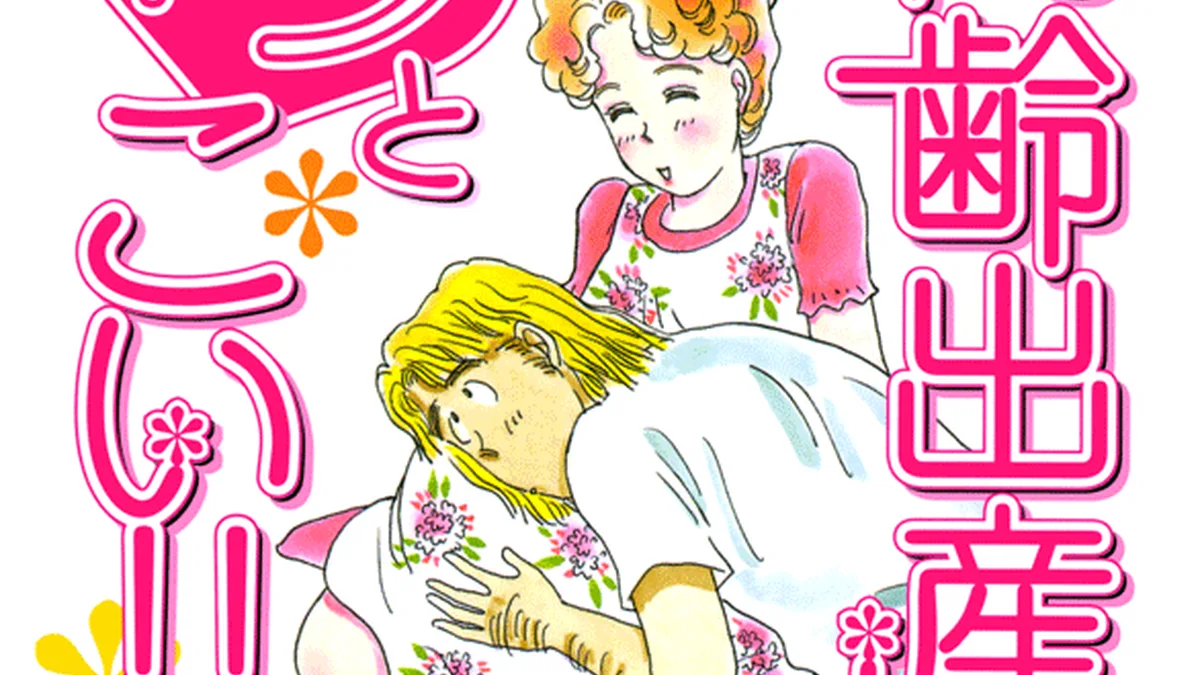
| Art style | Often realistic or detailed |
| Distinct from | Shoujo (aimed at younger girls) |
Origin and history
Josei as a distinct demographic category for manga and anime originates from Japan. The term emerged in the 1980s as a marketing label within the publishing industry. It was created to categorize works targeted specifically at adult women, typically aged from late teens upwards. This development followed the establishment of the shōjo (girls') and shōnen (boys') categories, with josei filling a gap for more mature narratives. The category was solidified through dedicated manga magazines, with the first major publication, *Be Love*, launching in 1980. The subsequent growth of josei anime adaptations paralleled the expansion of home video markets, allowing for more niche audience targeting.
What it is for
Josei is a demographic category for anime and manga created primarily for an adult female audience. Its core purpose is to present narratives that explore the complexities of adult life, relationships, and professional worlds with greater realism and emotional nuance. Unlike shōjo, which often focuses on idealized romance and adolescent fantasy, josei grounds its stories in more plausible scenarios and consequences. It serves to address themes such as career challenges, marital strife, parenthood, and the renegotiation of identity beyond youth. The category also provides a space for exploring mature romantic and sexual relationships with directness. Furthermore, it often functions as a vehicle for societal critique, examining the specific pressures and expectations placed on women in contemporary society.
Josei watch order
Josei series are typically standalone, so a watch order generally refers to navigating a specific franchise or the genre as a whole for newcomers. For individual series, always follow the original broadcast order, as this is how the narrative was structured and released. When exploring the category broadly, it is advisable to start with seminal and accessible titles that define the genre's tone before moving to more niche works. A common introductory path begins with series like *Nana* or *Paradise Kiss*, which blend youthful energy with adult themes. Subsequently, viewers might proceed to realistic workplace dramas like *Shōwa Genroku Rakugo Shinjū* or *The Great Passage*. Finally, exploring titles that deconstruct genre tropes, such as *Chihayafuru* (which uses a competitive sport framework) or *Princess Jellyfish*, offers a broader understanding of josei's range.
Josei ending explained
Josei endings are frequently characterized by ambiguity, realism, and a focus on character growth over plot resolution. A definitive "happy ending" is less common than in other demographics, with conclusions often emphasizing bittersweet acceptance or a new beginning rather than finality. Romantic conclusions may involve partners choosing to stay together for pragmatic reasons or parting ways for personal growth, rejecting the notion of a single soulmate. Endings frequently prioritize the protagonist's self-actualization and independence over securing a relationship. Some series conclude with open-ended scenarios that allow the viewer to contemplate the characters' future paths without explicit confirmation. The explanation for a josei ending typically lies in its commitment to portraying life's ongoing complexities, where problems are not always neatly solved but are instead met with mature understanding.
Overview
Josei encompasses a wide spectrum of genres, including romance, drama, slice-of-life, and even historical fiction, all filtered through an adult woman's perspective. The narratives are typically character-driven, with a strong emphasis on internal monologue, emotional realism, and interpersonal dynamics. Visual styles in anime adaptations tend to be more subdued and detailed compared to the exaggerated expressions common in shōnen or shōjo, reflecting the genre's mature tone. Common settings include offices, apartments, and urban environments, grounding the stories in everyday reality. While romance is a frequent component, it is often intertwined with other life concerns such as career ambition, friendship, and family duty. The overall pacing is usually deliberate, allowing for nuanced exploration of psychological states and relational shifts over time.
What to know
A key distinction is that josei is a demographic label, not a genre; it indicates the target audience, not a specific story type. Not all josei series are romantic, and not all anime with adult female protagonists are classified as josei. The category has significant overlap with the "seinen" demographic (for adult men), and some series are debated or marketed across both categories. Anime adaptations of josei manga are historically less frequent than shōnen or shōjo adaptations, making the catalog more selective. Many foundational josei works are manga, and the anime adaptation may cover only a portion of the source material's story. Viewers should be prepared for narratives that may lack clear villains or epic stakes, instead deriving tension from emotional authenticity and life decisions.
Common questions
A common question is how josei differs from shōjo, given both target female audiences. The primary difference lies in narrative approach, with josei favoring realism and adult concerns over the idealism and fantasy common in shōjo. Another frequent inquiry asks for recommendations similar to a popular title like *Nana*, which often leads to suggestions based on thematic depth rather than plot similarity. People often question why there are fewer josei anime adaptations, which relates to commercial priorities and perceived niche audience size in the broadcast and home video markets. Many viewers ask if specific romance anime with adult characters qualify as josei, which depends on the original manga's publication magazine and core thematic focus. A recurring question involves the availability and licensing of josei anime, as some titles receive limited Western distribution. Finally, audiences often seek clarification on series like *Chihayafuru* or *Princess Jellyfish*, which use unconventional frameworks to explore josei themes.
Pros and cons
A significant pro of josei is its commitment to nuanced, realistic character development and emotionally intelligent storytelling that avoids simplistic resolutions. It provides representation for adult women's experiences that is often absent in mainstream anime, exploring themes of career, aging, and complex relationships with honesty. The genre frequently offers sophisticated societal commentary and a mature aesthetic. A central con is that its pacing and focus on subtle drama can be misperceived as slow or uneventful by viewers accustomed to high-concept plots. The relative scarcity of anime adaptations means fans often must turn to manga, which can be a barrier. A common mistake is approaching josei expecting the narrative conventions or romantic wish-fulfillment of shōjo, leading to disappointment with its ambiguous or pragmatic conclusions. Some viewers regret choosing josei titles seeking light entertainment, as the content can be emotionally demanding and psychologically dense.
Who it suits
Josei suits viewers seeking anime with mature, character-driven narratives and a focus on emotional realism over escapism or action. It is well-suited for adult audiences, particularly women, who find more youth-oriented demographics lacking in relatable life-stage concerns. The category appeals to those interested in nuanced explorations of relationships, including their difficulties and compromises, rather than idealized courtship. It also suits viewers who appreciate slower pacing, detailed dialogue, and settings grounded in everyday life. Fans of literary fiction or realistic drama in other media may find josei's storytelling approach more aligned with their tastes. Conversely, it is less suited for viewers primarily seeking fast-paced plots, clear-cut moralities, fantastical worlds, or straightforward happy endings.