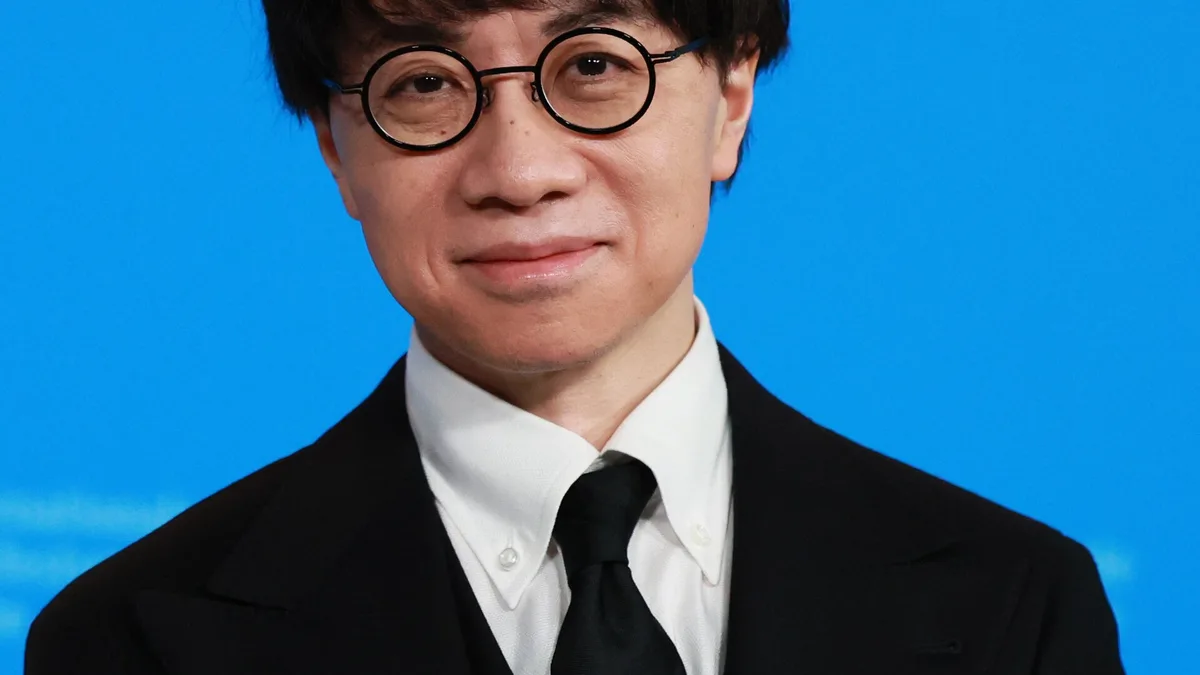
Makoto Shinkai
| Full name | Makoto Niitsu |
|---|---|
| First created | 1990s |
| Original use | Independent filmmaking |
| Country of origin | Japan |
| Primary medium | Animated feature films |
| Notable style | Hyper-realistic backgrounds, themes of distance and longing |
| Key work | Your Name. (2016) |
Origin and history
Makoto Shinkai is a Japanese filmmaker who emerged in the early 21st century. His initial work was created almost entirely alone, using digital tools from his personal computer. He first gained significant attention with the self-produced 25-minute film "Voices of a Distant Star," completed and released in 2002. This project established his early reputation for technical prowess and emotionally resonant storytelling achieved with minimal resources. His career progressed through feature films like "The Place Promised in Our Early Days" and "5 Centimeters per Second," which solidified his thematic focus. His global breakthrough came with the 2016 release of "Your Name.," which became a historic box office success internationally. His work is fundamentally rooted in the aesthetic and narrative traditions of Japanese animation while leveraging modern digital production techniques.
What it is for
Makoto Shinkai's films are primarily for exploring profound emotional states and interpersonal connections against vast, often supernatural, backdrops. They serve to examine themes of distance, memory, longing, and the human relationship with time and natural phenomena. His narratives frequently employ fantastical or cosmic events, like body-swapping or weather anomalies, to externalize internal emotional conflicts. The detailed, photorealistic rendering of urban and rural Japanese landscapes in his work serves to ground these high-concept stories in a tangible, familiar reality. This creates a specific cinematic experience where the epic and the intimate are deliberately intertwined. The primary function of his filmmaking is not didactic but evocative, aiming to elicit a strong, melancholic, or cathartic emotional response from the viewer through atmosphere and character yearning.
Pros and cons
A significant pro of Shinkai's work is its consistent, breathtaking visual artistry, with meticulous attention to lighting, weather, and environmental detail that creates a powerful sense of place. The core emotional themes of connection and loss are universally accessible, allowing his films to resonate across cultures. The integration of modern digital production allows for a seamless blend of realistic backgrounds with character animation and spectacular visual effects. A common con is a perceived narrative formula, where similar plot devices like separated lovers and supernatural interventions can feel repetitive across his filmography. Some critics argue that the intense focus on atmosphere and emotional tone can sometimes come at the expense of deep character development or complex plotting. The melancholic, yearning atmosphere that defines his style can be a drawback for viewers seeking more action-oriented or intellectually complex stories, potentially leading to a sense of stylistic monotony.
Who it suits
Makoto Shinkai's filmography suits viewers who prioritize visual spectacle and atmospheric storytelling over fast-paced narrative. It is well-suited for audiences who appreciate introspective, character-driven dramas that use fantasy elements to explore realistic emotions. Fans of detailed, realistic background art and a strong sense of locale, particularly of modern Japan, will find much to admire in his work. His films resonate with viewers who enjoy emotionally potent stories about young love, separation, and the passage of time, often delivered with a melancholic tone. They are less suited for viewers who prefer unambiguous, conclusive endings, as his narratives often embrace a degree of ambiguity and bittersweet resolution. His approach is ideal for those seeking an anime experience that emphasizes mood and aesthetic beauty as primary narrative vehicles.