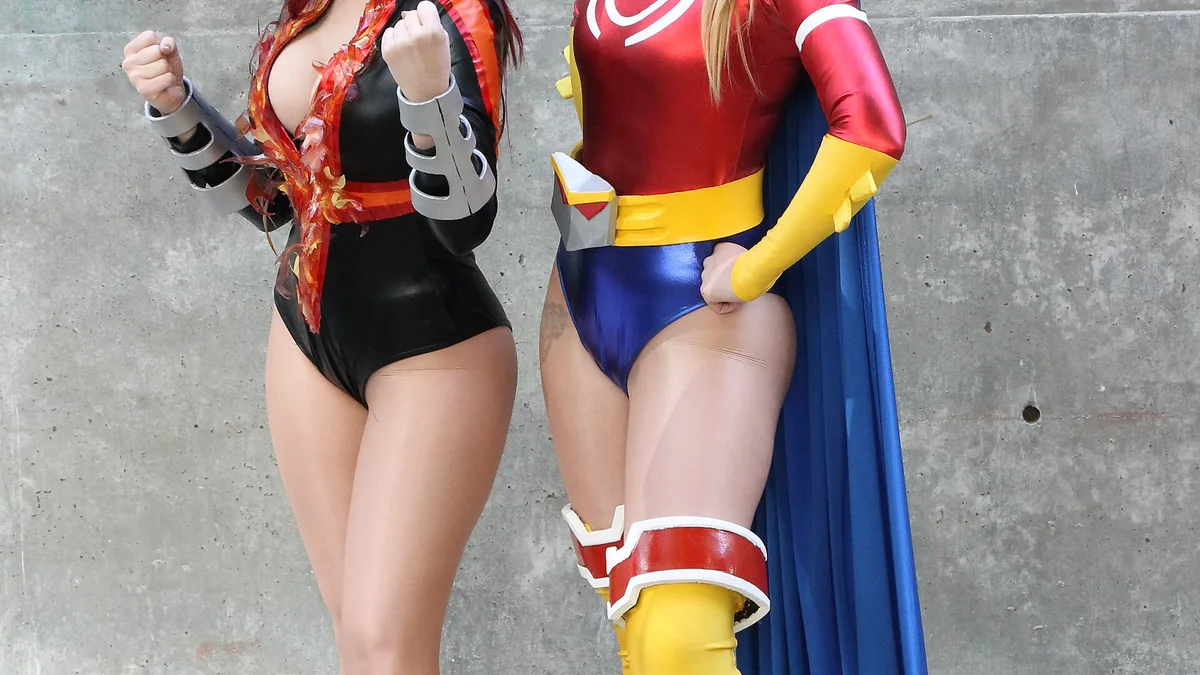
My Hero Academia
| Country of origin | Japan |
|---|---|
| First created | 2016 |
| Original use | Television broadcast adaptation |
| Format | Anime television series |
| Episodes per standard cour | 12-13 |
| Animation studio | Bones |
| Based on | Weekly Shōnen Jump manga series by Kōhei Horishiki |
| Original network | NTV (Nippon TV) |
Origin and history
My Hero Academia originates from Japan. The series was created in the 2010s, beginning as a manga series. It was later adapted into an anime television series, which commenced broadcasting in the same decade. The property quickly grew into a major commercial and cultural franchise within the anime and manga industry. Its development followed the standard publication model of serialization in a weekly manga magazine prior to animation. The anime adaptation is structured into broadcast seasons, aligning with the industry practice of cours, which are typically quarterly periods of approximately twelve to thirteen episodes.
What it is for
My Hero Academia is a narrative fiction series designed for serialized entertainment through manga and anime formats. Its primary function is to tell a long-form superhero story set in a world where superpowers, known as Quirks, are commonplace. The series explores themes of heroism, morality, social responsibility, and the personal growth of its characters. It serves as a commercial product within the broader shonen manga and anime demographic, targeting primarily a younger male audience but appealing to a wider viewership. The narrative is structured around the protagonist's training and challenges within a professional hero academy and the surrounding society. The episodic and seasonal format allows for sustained audience engagement over multiple years, building a detailed world and a large cast of characters.
Pros and cons
A significant strength of My Hero Academia is its well-constructed and internally consistent power system, which provides clear rules for character abilities and conflicts. The series features a large and diverse cast, allowing many viewers to find a character with whom they identify. Its core themes of perseverance and self-improvement are delivered with emotional resonance and compelling character arcs. A common criticism is that the sprawling cast can lead to underdevelopment of many interesting secondary characters as the narrative focus remains tightly on the protagonist. Some viewers regret the series' occasional reliance on familiar shonen battle tropes and narrative patterns, which can feel formulaic during extended story arcs. The pacing within certain cours has also been cited as a drawback, with some seasons feeling rushed in adaptation or containing filler material that disrupts narrative momentum.
Who it suits
This series suits viewers who enjoy traditional shonen battle anime narratives centered on training, tournament arcs, and incremental power escalation. It is appropriate for audiences interested in superhero genre tropes recontextualized within a structured academic and societal framework. The series appeals to those who prefer character-driven stories where personal flaws and growth are as important as action sequences. It is less suited for viewers seeking a concise, self-contained story, as it is a long-running serial with an ongoing plot. Fans of elaborate world-building and detailed superpower mechanics will find the Quirk-based society engaging. The series also suits a broad age range, though its core themes of ambition and camaraderie are particularly resonant for adolescent and young adult audiences.
Latest My Hero Academia news
Latest reporting
Re:ZERO Season 4 Finale Shaula Hero Premieres September 30
Re:ZERO Season 4 Episode 19, the 45-minute series finale titled 'Shaula / Hero,' will premiere on September 30, 2026, concluding the Recapture Arc.
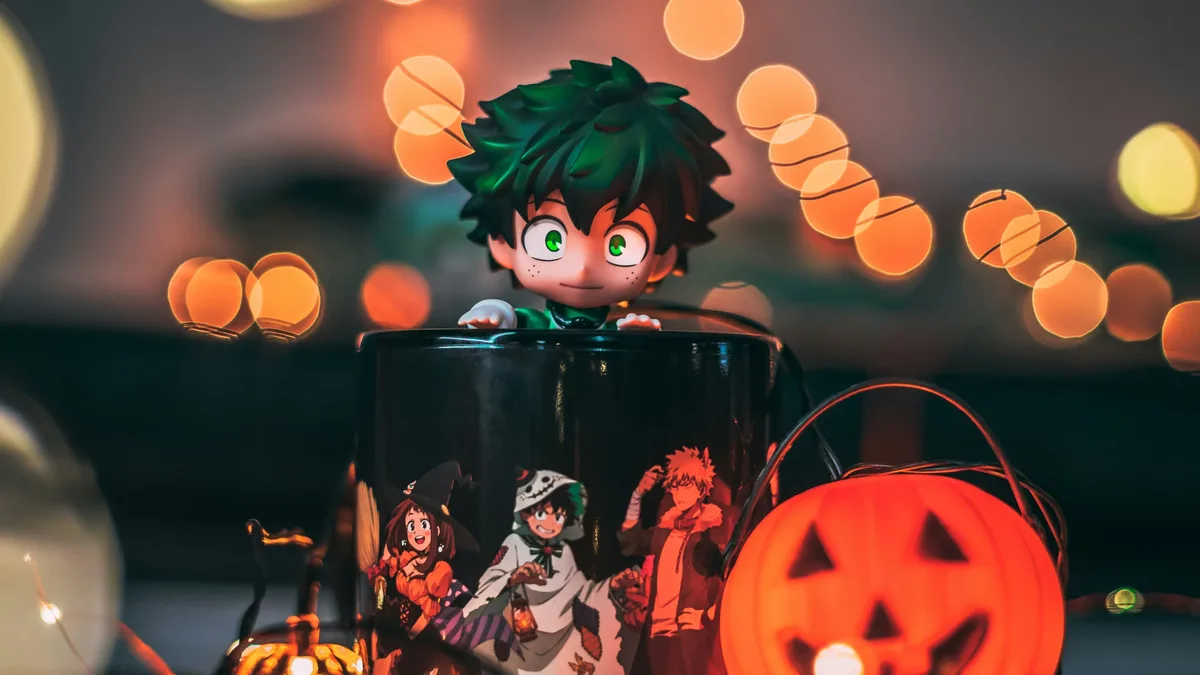
All's Justice Adds Izuku Midoriya DLC
Bandai Namco revealed a new DLC character, Izuku Midoriya Overlay Full Style, for My Hero Academia: All's Justice. It is part of the game's season...
Tomb Raider King Episode 8 Critiques Hero
A review of Tomb Raider King's eighth episode criticizes protagonist Jooheon's overwhelming power and lack of redeeming qualities, finding the...