
Toei Animation
| Country of origin | Japan |
|---|---|
| First created | 1948 |
| Original use | Animation production |
| Major franchises produced | Dragon Ball, One Piece, Sailor Moon |
| Typical annual output | Multiple series per cour |
| Notable style | Characteristic cel-shaded aesthetic |
| Common broadcast slot | Often Sunday morning |
Origin and history
Toei Animation originates from Japan and was established in the mid-20th century. The studio was founded in the late 1940s as Japan's animation industry began its post-war recovery. It was created as an animation division within the larger Toei film production company, which provided significant initial resources. The studio's early work focused on feature-length animated films, drawing stylistic inspiration from contemporary Western animation studios. Its first major color animated feature film was released in the late 1950s, marking a significant technical achievement for the industry at that time. Throughout the subsequent decades, the studio pioneered and standardized many of the production techniques that would define Japanese television animation, transitioning successfully from theatrical features to serialized TV production.
What it is for
Toei Animation is a production studio responsible for creating, producing, and distributing animated television series, films, and other related media. Its primary function is to manage the full animation pipeline, from initial concept and storyboarding to the final stages of post-production and broadcast delivery. The studio operates as a key node in the production committee system, often leading or participating in the financing and logistical coordination of major projects. It maintains large, in-house teams of animators, directors, and production staff to handle multiple long-running series simultaneously. A core aspect of its operation is adhering to the rigid schedule of the cour system, ensuring new episodes are completed for weekly broadcast without interruption. The studio also manages vast intellectual property libraries, overseeing the long-term development of franchises across decades through successive cours and series iterations.
Pros and cons
The studio possesses deep institutional knowledge and efficient, assembly-line-like production processes that can maintain output where smaller studios might fail. However, a major con is the frequent inconsistency in animation quality within a single series, with well-animated key episodes often followed by cours featuring noticeably limited and recycled footage to meet deadlines. The studio's rigid hierarchical structure and reliance on a core pool of overworked key animators can lead to creative stagnation and uneven artistic direction across long franchises. Viewers often regret committing to a Toei series when a narrative becomes demonstrably padded with filler arcs, a common technique used to avoid overtaking a source manga's publication schedule. A common mistake is assuming the visual polish of a series' premiere or major film adaptation will be maintained throughout its hundreds of episodic cours, when in practice the budgetary and scheduling realities of weekly television often take clear precedence.
Who it suits
This studio's output best suits viewers who prioritize narrative longevity and franchise immersion over consistent visual polish. It is ideal for audiences seeking extensive, ongoing stories that can be followed for years, providing a deep sense of familiarity with characters and worlds. The model suits broadcast networks requiring dependable, year-round animated programming to fill prime-time slots, particularly for children's and family viewing blocks. It is well-matched to publishers of long-running manga series who need a stable animation partner to produce a steady, adapting promotional arm for their comics. The studio's approach suits producers and investors looking for a financially conservative, committee-based model that mitigates risk through established franchises and proven formulas. Finally, it suits a specific type of animator and director who thrives within a large-scale, systematic production environment rather than a smaller, auteur-driven project.
Latest Toei Animation news
Latest reporting

Mai Kuraki Sets Guinness Record with 30th Detective Conan Song
Singer Mai Kuraki broke her own Guinness World Record for most theme songs by one artist for an animation series with her 30th Detective Conan song.
One Piece Anime Shifts to 26 Episodes Per Year in 2026
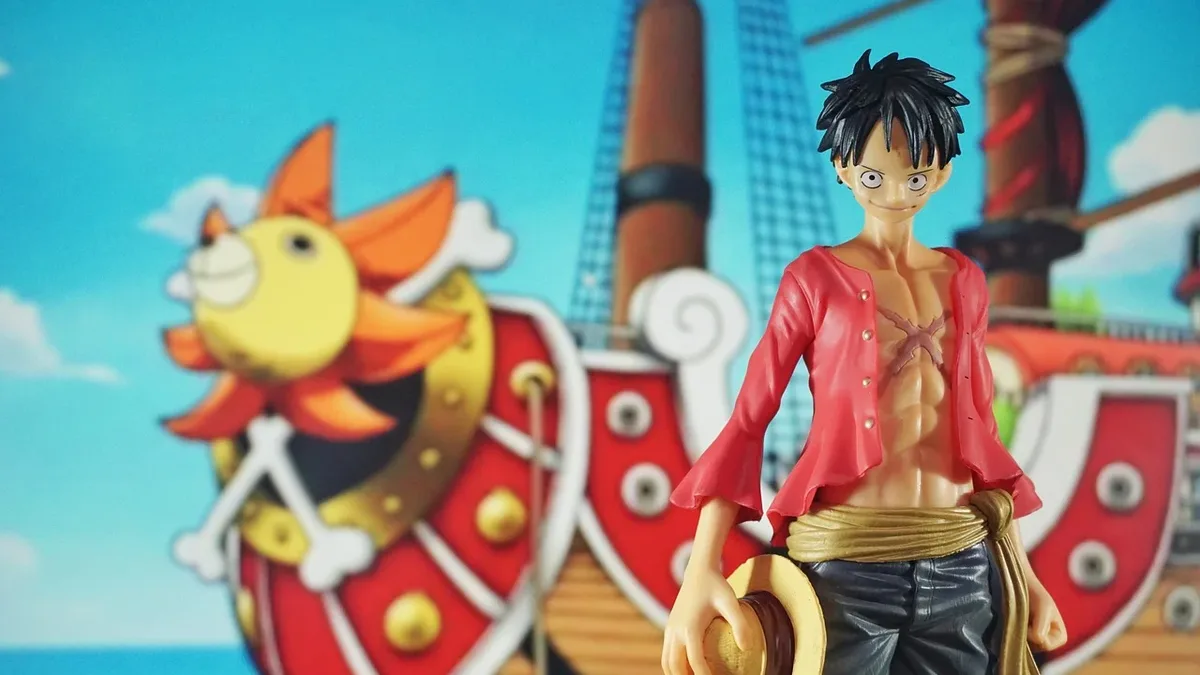
Toei Animation confirmed the One Piece anime will air a maximum of 26 episodes annually starting in 2026, beginning with the Elbaf arc.
Shin Oishinbo TV Anime Announced at Shin-Ei 50th Event
A new TV anime adaptation of the classic culinary manga Oishinbo, titled Shin Oishinbo, was announced at the Shin-Ei Animation 50th Anniversary event.
Kyoto Animation Sparks of Tomorrow Details
Kyoto Animation revealed its Summer 2026 TV anime, Sparks of Tomorrow, at Anime Expo, describing its steampunk Kyoto setting and production hurdles.
Ani-One Asia Removes Chainsmoker Cat Anime Due to Regulatory Concerns
Ani-One Asia has removed the Chainsmoker Cat anime from its streaming lineup, citing compliance with local government regulations. The move follows a...

Dark Machine Anime Series Reveals Cast, Opening Song, and October TV Debut
The staff for Dark Machine the Animation has unveiled the second promotional video for the anime, announcing more cast members, the opening theme...