
Isekai
| Country of origin | Japan |
|---|---|
| First created | 1980s (anime series and seasons from 2000s onward) |
| Original use | Television entertainment (broadcast cour) |
| Original network | Typically Tokyo MX, BS11, AT-X, or other Japanese networks |
| Episode count | Typically 12 or 13 per cour |
| Adaptation source | Usually a light novel, manga, or web novel |
| Themes | Fantasy, adventure, transportation to another world, power progression |
| Format | Animated television series season |
Origin and history
Isekai is a narrative subgenre of Japanese fantasy fiction. Its origins can be traced to Japan in the latter half of the 20th century, with foundational works appearing in the 1980s and 1990s. The term "isekai" translates directly to "different world" and describes stories where a protagonist is transported to a parallel universe. Early literary examples include the novel "The Familiar of Zero" and the visual novel "El Hazard," which established core tropes. The genre saw a significant surge in popularity within anime and light novels during the 2010s, coinciding with the rise of web novel publication platforms. This modern proliferation has solidified isekai as a dominant commercial force within the Japanese media landscape, though its roots are in earlier decades of speculative fiction.
What it is for
The primary function of the isekai genre is to provide a narrative framework for escapist power fantasy and exploration. It serves as a direct conduit for audience identification by using a protagonist from a mundane, often modern-world setting. This mechanism allows for extensive world-building, as the unfamiliar fantasy realm is discovered alongside the displaced main character. The genre facilitates the examination of societal or game-like systems, as protagonists frequently apply knowledge from their original world to the new one. It is also used as a vehicle for wish-fulfillment, granting characters unique abilities, romantic prospects, or leadership roles unattainable in their previous life. Fundamentally, it provides a structured premise for adventure, conflict, and character growth within an entirely constructed secondary world.
Isekai watch order
There is no singular watch order for isekai as a whole, as it is a genre comprising many standalone series. Viewers typically select series based on specific subgenre preferences rather than a chronological sequence. A common approach is to begin with landmark titles that defined major genre conventions for modern audiences, such as "Sword Art Online" or "Re:Zero - Starting Life in Another World." One may then explore variations like "That Time I Got Reincarnated as a Slime" for nation-building, or "KonoSuba: God's Blessing on This Wonderful World!" for parody. Watching order is largely dictated by thematic interest, such as seeking out series focused on video game mechanics, political intrigue, or comedic deconstruction. It is advisable to sample different subgenres to understand the full scope of isekai offerings.
Isekai ending explained
Isekai series endings vary widely and are not bound to a single outcome, reflecting the genre's diverse storytelling goals. A common resolution involves the protagonist defeating a supreme evil or demon lord, thereby bringing peace to the new world. Some narratives conclude with the protagonist choosing to remain permanently in the isekai, often having built a new family or society, severing ties with their original world. Other endings see the protagonist returning to their original world, sometimes with the ability to travel between worlds or with the memories of their adventure. A number of series, particularly those adapted from ongoing source material, may end inconclusively on a "to be continued" note, covering only a single story arc. Tragic or bittersweet endings are less common but exist, where the protagonist sacrifices themselves or is permanently separated from loved ones.
Overview
Isekai is a fantasy subgenre where a protagonist is displaced from their ordinary reality into a strange, unfamiliar world. This new world typically operates on magic-based or game-like rulesets that differ fundamentally from the protagonist's original world. The narrative follows the protagonist's adaptation to this environment, their acquisition of powers, and their engagement with its conflicts. Common plot drivers include the protagonist being tasked with a grand quest, aiming to return home, or seeking to improve their standing in the new society. The genre heavily utilizes tropes such as reincarnation, summoning, and the possession of unique skills or cheat abilities. Its tone can range from serious epic drama to lighthearted comedy, often incorporating elements from role-playing games and historical fantasy.
What to know
The genre is broadly divided into substyles, including "portal fantasy" for direct transportation and "reincarnation" where the protagonist is reborn, often with memories intact. Many isekai protagonists originate from contemporary Japan, a detail that influences their problem-solving approach and provides cultural contrast. A significant subset is "game isekai," where the other world explicitly mimics video game mechanics with levels, status screens, and skill points. Common criticism of the genre includes repetitive premises, overpowered protagonists that reduce narrative tension, and harem-style romantic subplots. The genre's popularity has led to market saturation, making standout entries reliant on unique twists or exceptionally high production values. Understanding these common elements and criticisms provides necessary context for engaging with the vast number of isekai titles available.
Common questions
A frequently asked question is whether isekai is synonymous with "another world" stories in all global media, to which the answer is no; the term specifically denotes a Japanese genre with its own established tropes. Many viewers inquire about the difference between isekai and standard fantasy, the key distinction being the explicit transportation of a character from a recognizably normal world. People often ask why so many protagonists are reincarnated as nobles or given overpowered abilities, which stems from the genre's power-fantasy roots and desire for immediate agency. A common logistical question is how protagonists understand the new world's language, which is typically hand-waved via magic, divine intervention, or a game-like translation skill. Audiences also question the genre's longevity, given market saturation, though its commercial success in light novels and anime suggests continued production. Many ask for recommendations that subvert expectations, leading to suggestions like "Mushoku Tensei: Jobless Reincarnation" for its thorough character development or "The Rising of the Shield Hero" for its darker premise.
Pros and cons
A primary advantage of isekai is its immediately understandable premise, which efficiently bypasses lengthy exposition by having the audience learn the rules alongside the protagonist. The genre offers reliable escapism and wish-fulfillment, delivering power fantasies that are consistently popular with a core audience. Its framework allows for creative world-building and the exploration of complex game-like systems or social structures. A significant drawback is severe formulaic repetition, with many series leaning on identical tropes such as the demon lord quest or the video game interface, leading to predictability. The overpowered protagonist trope often undermines narrative stakes, removing tension and making conflicts feel trivial. A common mistake made by weaker entries is prioritizing the premise and power progression over meaningful character development, resulting in a forgettable cast. Many viewers regret choosing generic isekai titles that offer no unique twist, finding them to be a repetitive and unsatisfying use of viewing time.
Who it suits
The genre suits viewers seeking straightforward escapism and power fantasies, particularly those who enjoy video game mechanics and progression systems in narrative form. It appeals to audiences who prefer high-concept fantasy with clear rules and predictable narrative structures over ambiguous or morally complex storytelling. Fans of extensive world-building may appreciate the detailed magical or societal systems present in many isekai series, though the quality of this element varies greatly. The genre is well-suited to newcomers to anime fantasy due to its accessible premises and often episodic adventure structures. It is less suited to viewers who prioritize deep philosophical themes, narrative realism, or stories without wish-fulfillment elements. Those with a low tolerance for harem tropes, overpowered main characters, or derivative plotting should be selective, seeking out isekai titles known for subverting these very conventions.
Latest Isekai news
Latest reporting
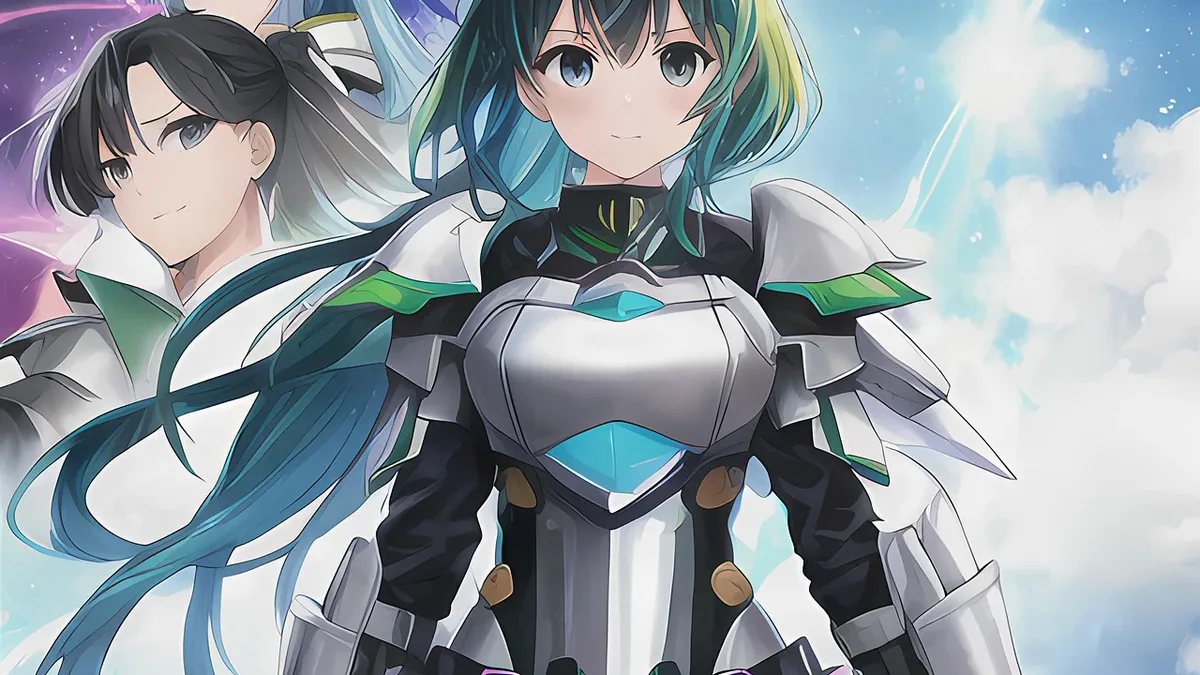
Reborn as a Space Mercenary Anime Reveals Cast, Songs
The upcoming anime adaptation of the isekai sci-fi light novel 'Reborn as a Space Mercenary' has revealed new cast members, theme song artists, and a...
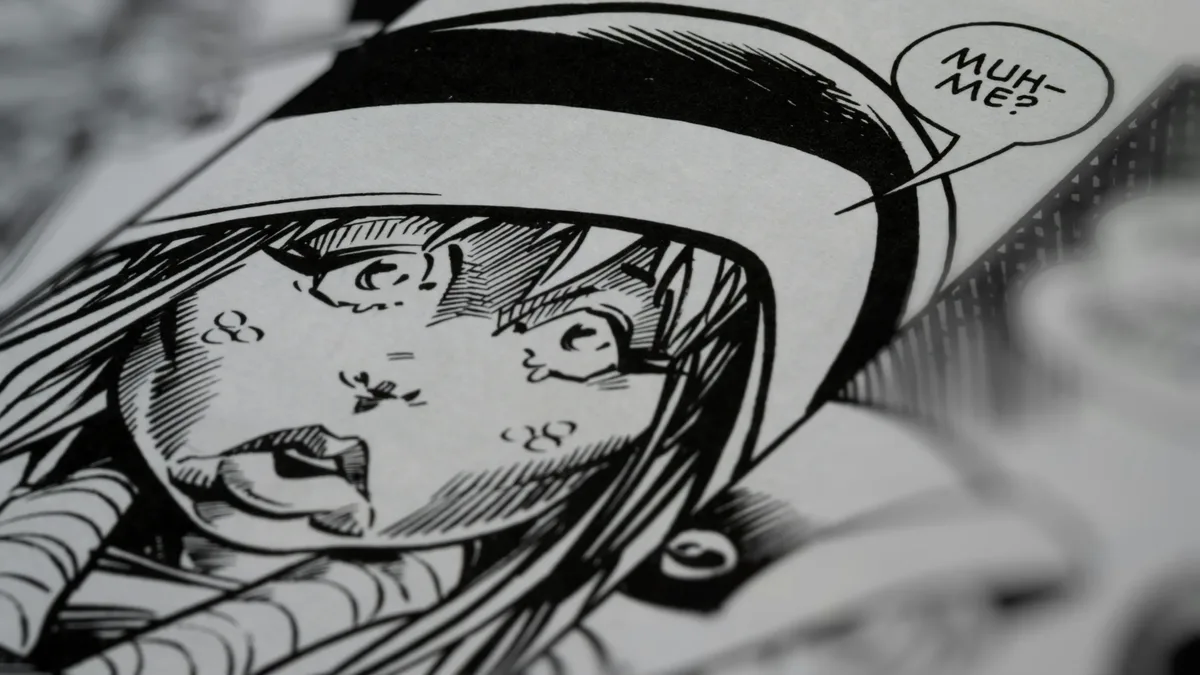
From Far Away Manga Review: The 1991 Isekai Gold Standard
A review of the first seven volumes of Kiyoko Hikawa's 1991-2002 shoujo isekai manga, praising its grounded approach where the heroine must learn the
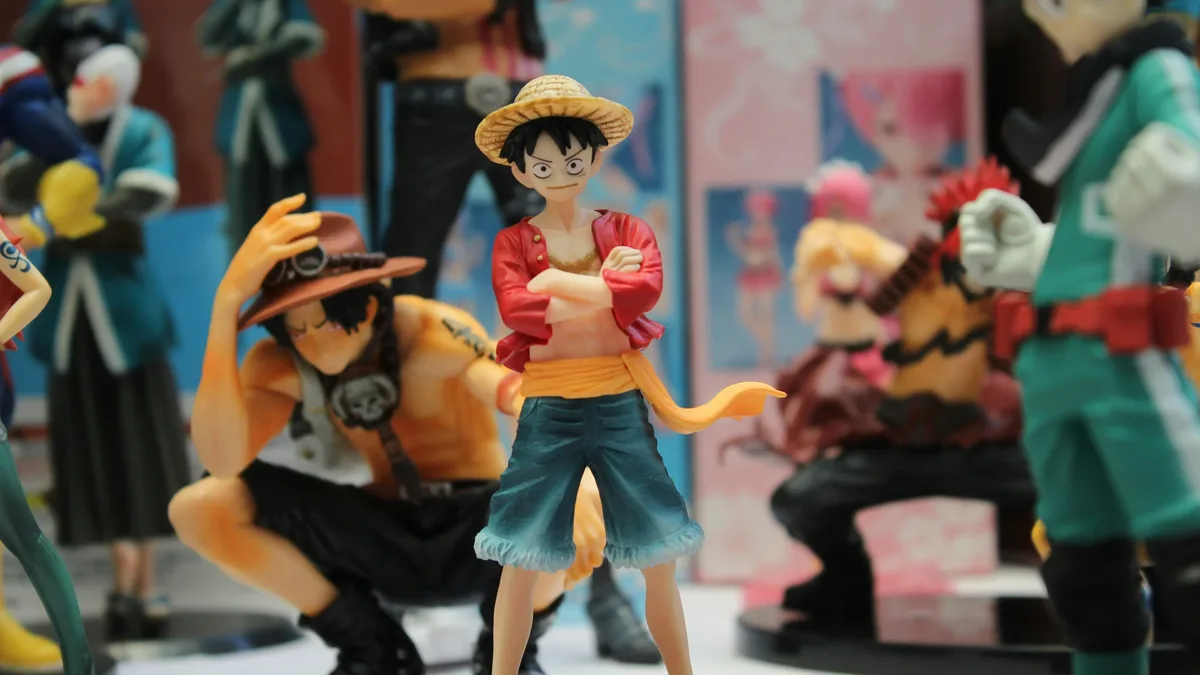
Baki Gaiden: Kaioh Retsu Isekai Anime
A TV anime adaptation of the Baki spin-off manga BAKI GAIDEN: KAIOH RETSU Doesn’t Mind Getting Isekai’d has been announced.
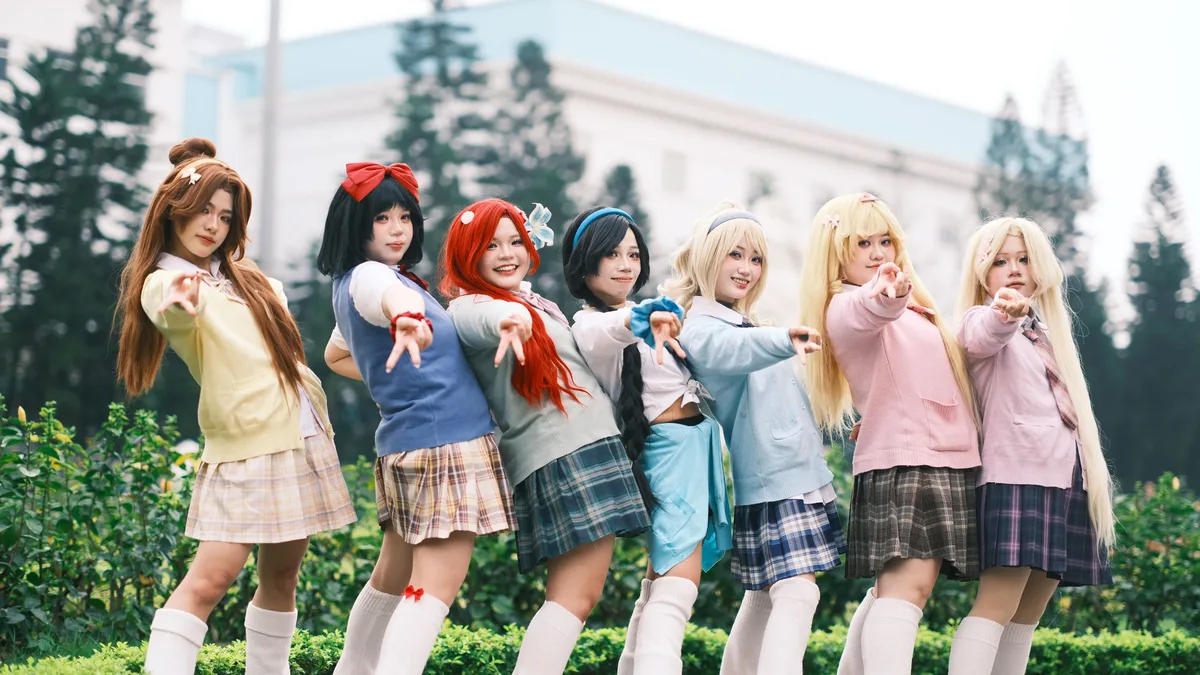
Farming Life in Another World 2: Cozy Isekai with Missed Opportunities
The second season of *Farming Life in Another World* doubles down on its laid-back, mindless charm but fails to build on the narrative potential set...