
Shonen
| Country of origin | Japan |
|---|---|
| First created | 2010s (exact decade) |
| Original use | Broadcast television series cour |
| Typical episode count | 10–13 |
| Standard broadcast duration | Approximately 24 minutes |
| Primary broadcast window | Late night (anime noizu) |
| Core demographic target | Adolescent and young adult males |
| Common narrative genre | Action, adventure |
Origin and history
The term "Shonen" originates from Japan, with its literary and cultural roots traceable to the late 19th and early 20th centuries. It formally emerged as a distinct magazine category in the post-World War II era, specifically during the 1950s, as Japanese publishing houses began segmenting audiences by demographic. The launch of dedicated weekly magazines like *Weekly Shōnen Magazine* and *Weekly Shōnen Sunday* in 1959 solidified the category as a commercial and editorial force. The category's evolution is inextricably linked to the serialized manga format published in these weekly anthologies, which later fueled the anime industry. Its historical development reflects broader societal shifts in Japan, focusing initially on themes of perseverance and teamwork before diversifying considerably. The global dissemination of Shonen as a concept is a direct result of the international popularity of specific manga and anime series from the 1990s onward.
What it is for
Shonen is a demographic category targeting adolescent and young adult males, primarily through serialized manga and its anime adaptations. Its core function is to provide entertainment built around central themes of friendship, relentless perseverance, and the protagonist's journey toward greater strength or mastery. The category serves as a vehicle for power fantasy, often featuring a clear progression system where the main character trains and overcomes progressively stronger adversaries. It frequently employs tournament arcs and ranking systems to structure conflict and measure growth in a tangible way for the audience. Beyond pure battle narratives, it also functions to explore moral codes, the value of loyalty, and the definition of justice within its fictional worlds. The category is designed for weekly consumption, with a pacing and chapter structure that encourages ongoing reader engagement and discussion across the publication interval.
Shonen watch order
For a foundational understanding of the Shonen category, viewing key series in their entirety is recommended, as the structure is inherently serialized. Begin with major, defining works from different eras to observe the genre's evolution, such as *Dragon Ball*, *Naruto*, and *My Hero Academia*, each watched from episode one. It is not advisable to skip canonical story arcs or filler episodes in a first viewing, as even non-canonical material reflects the production and pacing pressures of the weekly format. Watching series by their original broadcast order is standard, as this respects the narrative reveals and power progression as intended for the initial audience. For extremely long-running series like *One Piece*, committing to the sequential order from the start is necessary to follow the complex, unfolding plot and world-building. Alternatively, for a curated approach, seek out consensus "peak" story arcs identified by the fan community, understanding this method sacrifices full narrative context.
Overview
Shonen narratives typically follow a young, often initially weak, male protagonist who possesses a latent special ability or an unwavering determination. The plot is driven by a clear goal, such as becoming the strongest fighter, the leader of a group, or achieving a specific world-changing objective. A core cast of rival characters, mentors, and loyal comrades is essential, with relationships often formalized into teams or squads. The storytelling employs a repetitive cycle of training, confrontation, loss, and victory, with each cycle raising the stakes and expanding the scope of the conflict. Supernatural power systems with explicit rules and limitations are a common framework to quantify ability and enable strategic combat. While action-driven, these stories consistently return to emotional payoffs centered on the bonds between characters and the moral lessons learned through struggle.
What to know
The Shonen category is defined by its demographic target, not its genre; it contains action, comedy, sports, and even romance, all filtered through its core themes. Pacing can be deliberate, with "power-up" moments and major victories often preceded by lengthy training sequences or strategic explanations mid-battle. Filler episodes or arcs in anime adaptations are common, resulting from the production schedule outpacing the manga source material. The concept of "nakama" (comrade) is a non-negotiable pillar, often taking precedence over more complex moral or philosophical dilemmas. Main character death is rare and seldom permanent, as the focus remains on growth and triumph rather than tragedy. Understanding the commercial context of weekly publication helps explain narrative structures like cliffhangers, recap episodes, and the gradual release of a character's full backstory.
Common questions
Many ask if Shonen is only about fighting, but while battle series are prevalent, acclaimed sports and culinary competition series also fall firmly within the category. A frequent question concerns the difference between Shonen and Seinen, with the latter being aimed at adult men and typically featuring more mature themes, complex moral ambiguity, and graphic content. New viewers often inquire where to start, with the answer depending on tolerance for older animation styles and episode count versus a desire for contemporary production values. Debates persist over which series epitomizes the category, though titles like *Dragon Ball* and *Naruto* are consistently cited for their formative influence on its conventions. People question the prevalence of "talk-no-jutsu," referring to protagonists defeating antagonists through persuasion, which is a recognized narrative trope emphasizing idealism over brute force. Another common inquiry addresses whether one must enjoy all popular Shonen series, though tastes vary widely within the demographic's broad framework.
Pros and cons
A significant pro is the satisfying, predictable narrative rhythm of underdog triumph and earned power progression, which provides reliable entertainment. The expansive world-building and intricate power systems in many top series allow for deep fan engagement and theory-crafting. However, a major con is formulaic storytelling, where plot arcs and character archetypes can feel repetitive across different series, leading to predictability. The relentless focus on perseverance can sometimes undermine narrative tension, as audience faith in the protagonist's inevitable victory reduces suspense. A common mistake is viewers investing hundreds of episodes into a long-running series only to burn out due to pacing issues or filler content. Many regret choosing Shonen for complex, morally grey storytelling or nuanced romance, as these elements are often secondary to action and idealism.
Who it suits
This category best suits viewers seeking straightforward, optimistic narratives where effort is directly rewarded and good ultimately prevails. It appeals to those who enjoy strategic battle systems, detailed world-building, and the process of a character's gradual mastery from weakness to strength. The format suits audiences comfortable with long-form, episodic storytelling and who derive pleasure from weekly anticipation and communal discussion. It is ideal for viewers who prioritize themes of friendship, loyalty, and heroic sacrifice over narrative ambiguity or downbeat conclusions. The category is less suited for those who require deep philosophical exploration, permanent consequences for characters, or storytelling that subverts traditional heroic archetypes. It fits a viewer looking for a power fantasy with emotional resonance rather than a cynical or brutally realistic take on conflict.
Latest Shonen news
Latest reporting
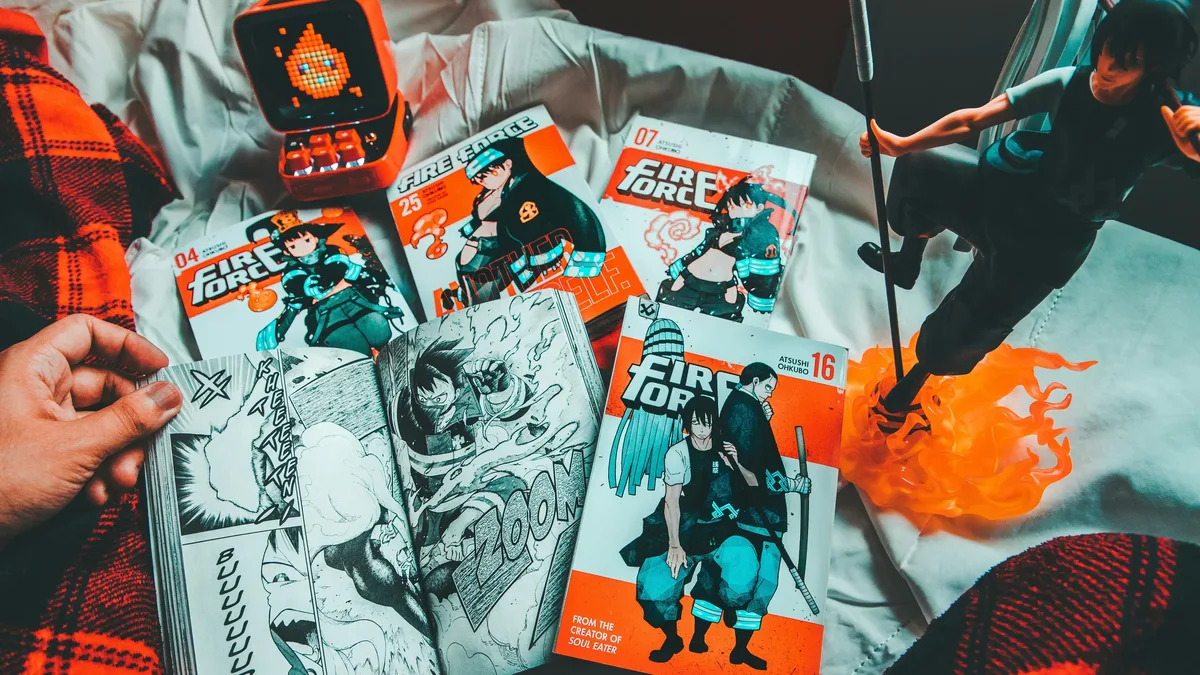
Akane-banashi Manga Volumes 1-3 Reviewed
A review of the first three volumes of the Shonen Jump manga Akane-banashi praises its unique rakugo-based revenge story and strong protagonist, while
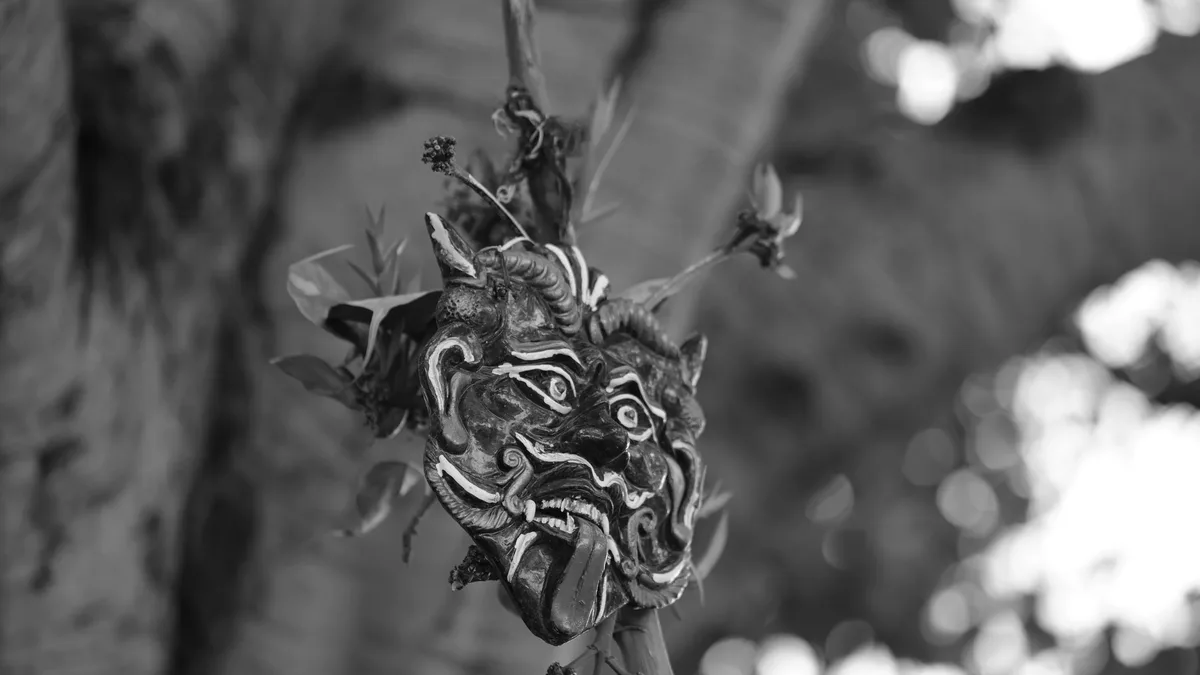
The Vermilion Mask Anime Premieres This October
The dark fantasy shonen manga 'The Vermilion Mask' will premiere as a television anime this October. Editor Taichi Kimura and voice actor Taihi...
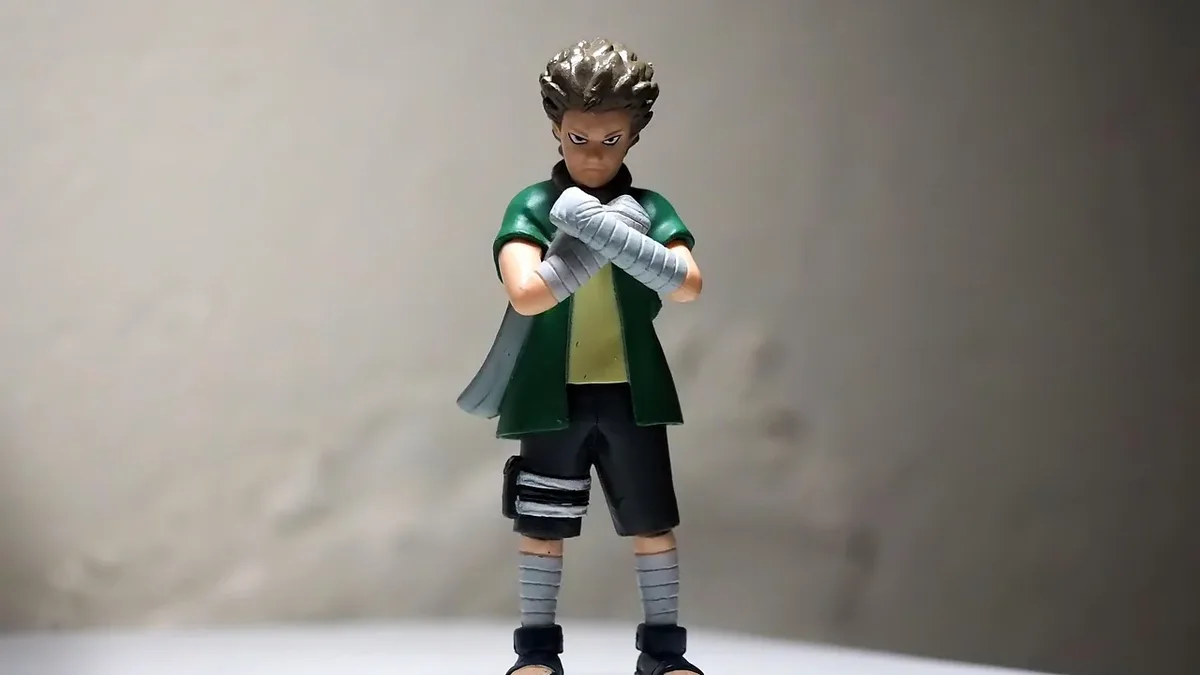
Psyren Manga Review: A Thrilling yet Flawed Ride
Psyren, a manga series by Toshiaki Iwashiro, has gained a notable reputation in Western circles despite being canceled during its run in Weekly...