Brooklyn Museum's Art of Manga Showcases 658 Rare Works
The Brooklyn Museum's 'Art of Manga' exhibit, running until January 31, 2027, displays 658 artworks including original drafts from Eiichiro Oda and Hirohiko Araki, alongside historical precursors.
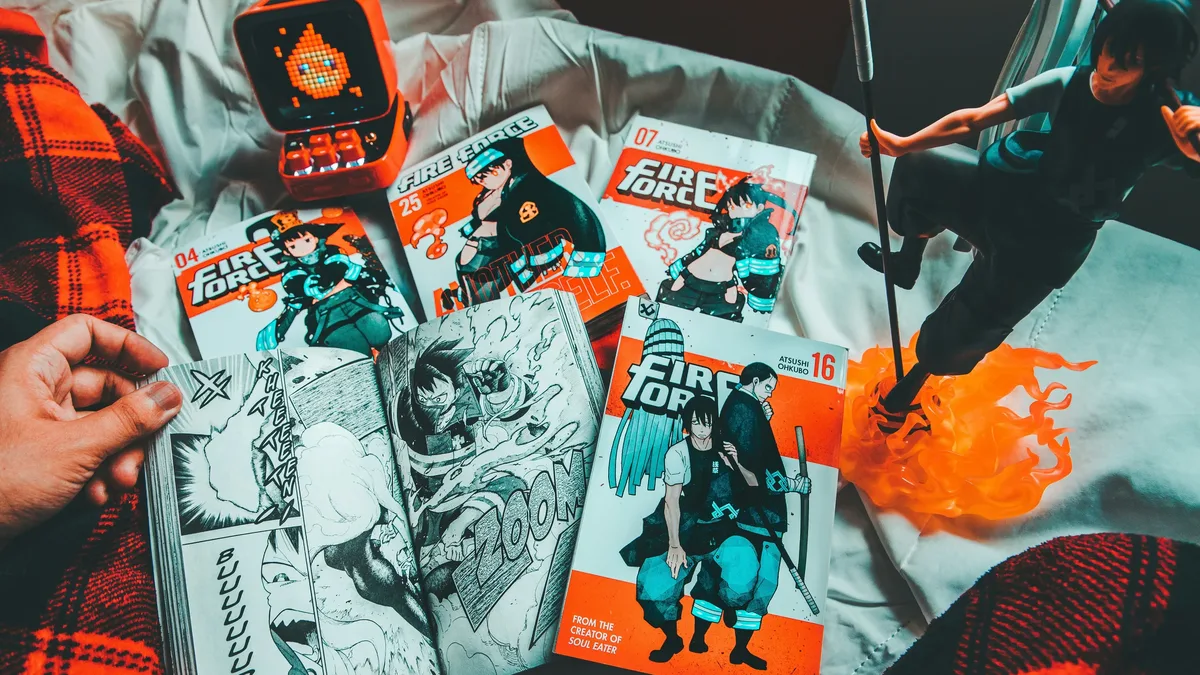
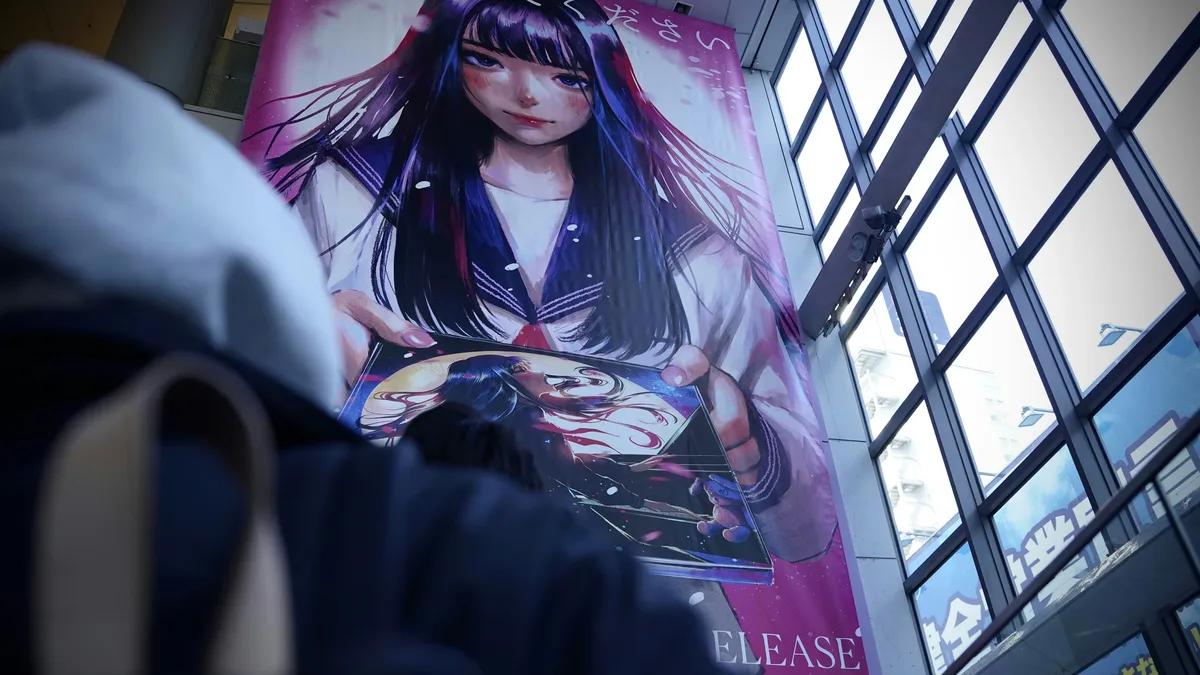
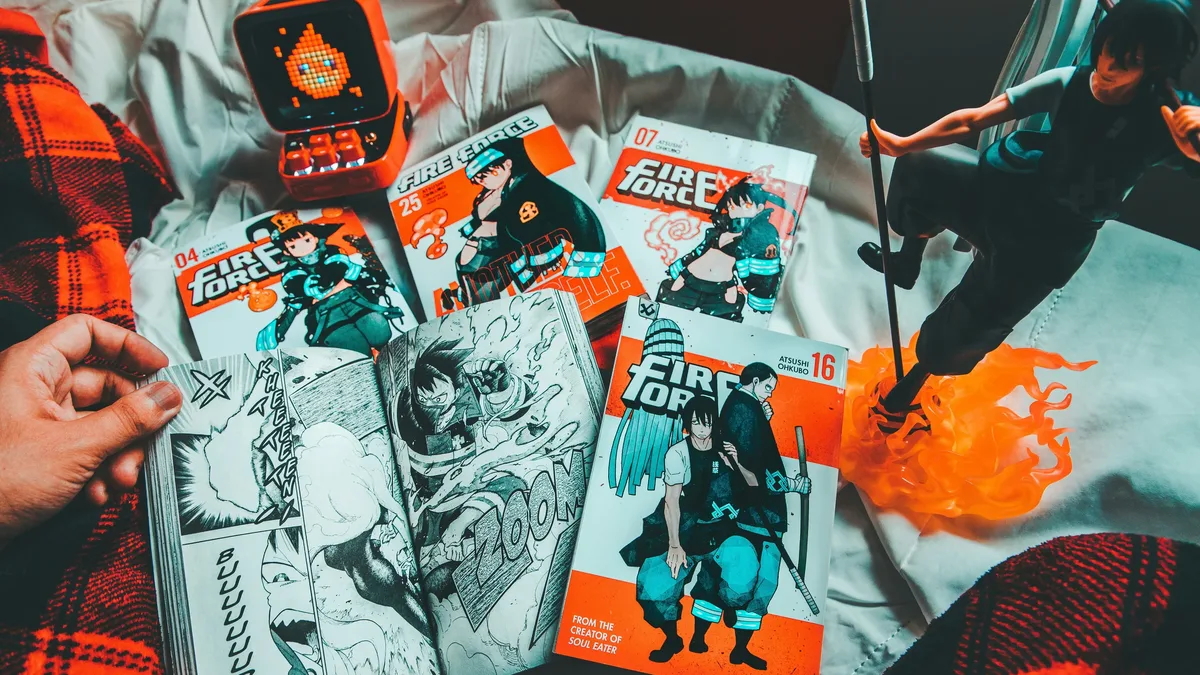
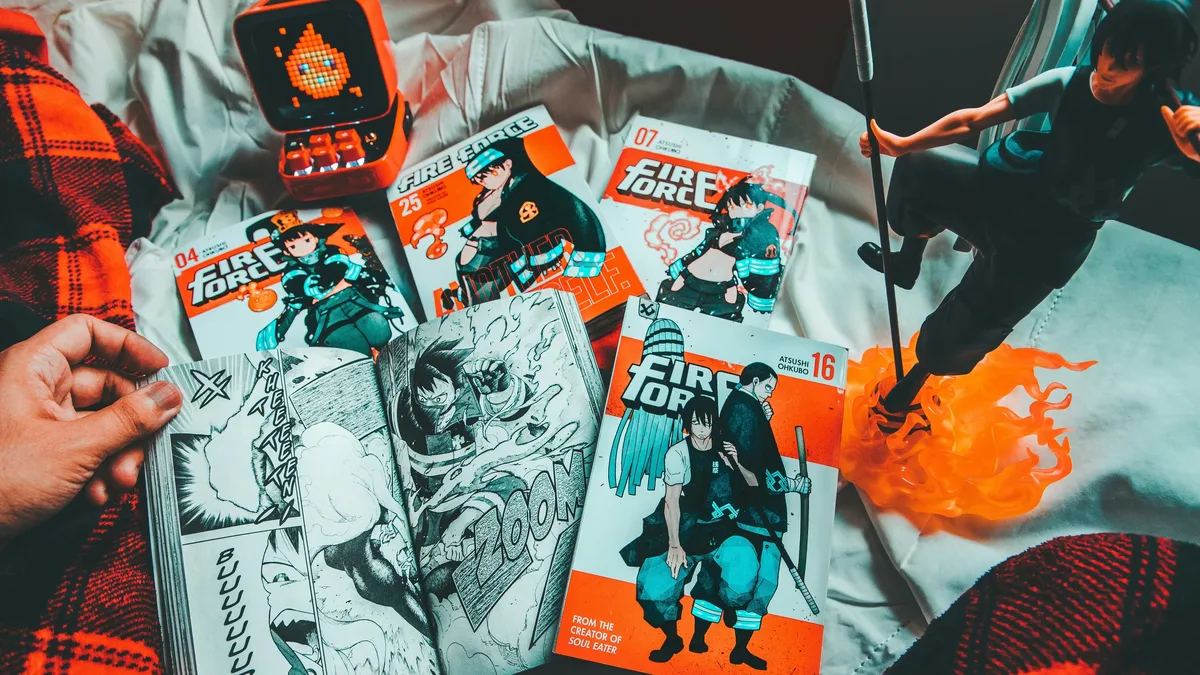
The Brooklyn Museum's Art of Manga exhibit features 658 artworks. It runs from October 3, 2026 to January 31, 2027. This large-scale survey, America's first of its kind, adapts a show that debuted at San Francisco's de Young Museum last year. Installing it in the Brooklyn Museum's historic circa-1900 gallery, with its large columns and uneven floor heights, presented a spatial challenge. Curators had to carefully sequence the pieces, following advice from manga publishers to avoid placing rival artists next to each other.
The exhibit is organized around eight main artists, presented in a specific order.
An introductory area titled Manga Before Manga sets the stage. It draws from the museum's own collection, displaying ukiyo-e prints and emaki scrolls that trace the evolution of visual storytelling. A 15th-century Tale of the Wisteria Robe scroll shows early word bubbles. Works by 19th-century artist Utagawa Kuniyoshi, like his woodblock of folk hero Kaidomaru, are cited as prototypes for modern shonen protagonists. The section also includes a 1976 print by Sekini Junichiro, which is newer than some modern manga used elsewhere in the introduction.
Curatorial insights and personal connections
Japanese art scholar Nicole Coolidge Rousmaniere curated the exhibit and led early press tours. Brooklyn Museum curator Joan Cummins helped adapt it for the New York venue. Cummins shared that her first encounters with manga in Japan felt misogynistic, but her perspective changed. She has now read at least one volume of every series in the show. Cummins expressed a particular fondness for series with historical settings, naming Kazumi Yamashita's Land, Fumi Yoshinaga's Ōoku, and Rumiko Takahashi's MAO as personal favorites.
Highlighted works and rare additions
The exhibit is notable for its exclusive original drafts physically drawn and donated by the mangaka. Eiichiro Oda's collection includes 80 original One Piece drawings, complete with visible pen lines and editor's notes. One depicts Roronoa Zoro's fight against Daz Bones from Chapter 195. The series itself has over 600 million copies in circulation worldwide. Two massive wall-sized screens detail the printing process for One Piece volumes, replacing the de Young's full-scale printing press.
A new addition unique to the Brooklyn presentation is pages from Jiro Taniguchi's short manga Hundred Year Lineage. It is unpublished in English. The story follows a girl who abandons her dog during World War II rationing and reunites with it after the war, leading to a canine lineage. The exhibit also houses what may be Taniguchi's final artwork: an unfinished self-portrait with his dog.
Hirohiko Araki's life-sized painting There Is Always a Traitor is a centerpiece. Initially viewable only in Japan for JoJo's 30th anniversary, it was inspired by Leonardo da Vinci's The Last Supper. Araki stated he aimed to eliminate the border between the manga world and reality by drawing the characters at human scale. He wanted viewers to step into the characters' world, a request the curators honored in the display.
Visitor experience and access
A dedicated reading room offers cushioned seating and bookshelves filled with manga volumes for visitors to read at their leisure. This area also shows artworks by BLEACH creator Tite Kubo and artist Tanaami Keiichi. While the Brooklyn Museum is not holding set Cosplay Days like its San Francisco counterpart, it encourages attendees to cosplay throughout the exhibit's entire run. Photography rules vary: close-ups are allowed in the Manga Before Manga section, but photos within the main exhibit must be taken from a distance, and video recording is prohibited.
Timed to open alongside New York Comic Con 2026, the Art of Manga exhibit remains on view in Brooklyn, New York, until January 31, 2027. Tickets are available through the Brooklyn Museum's website.