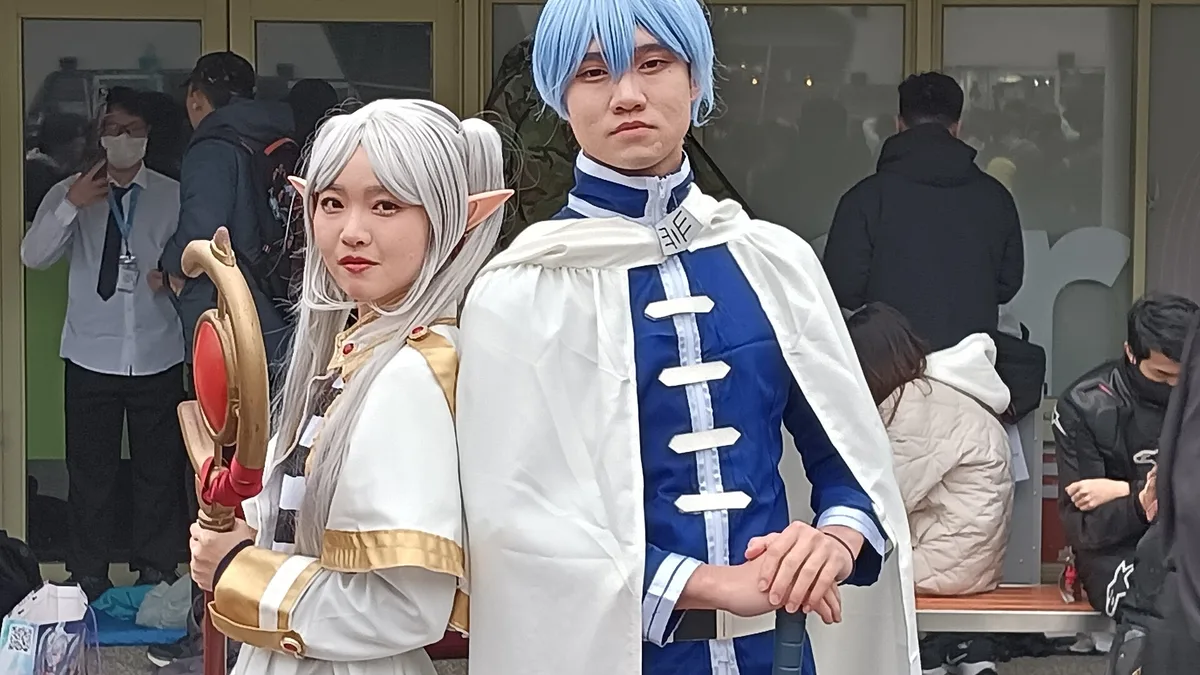
Frieren
| Country of origin | Japan |
|---|---|
| First created | 2023 |
| Original use | Television broadcast |
| Cour | 2 |
| Episode count | 28 |
| Original network | Nippon TV |
| Adaptation source | Manga series |
Origin and history
Frieren is a Japanese fantasy manga series first serialized in the early 2020s. The series was created by writer Kanehito Yamada and illustrator Tsukasa Abe. It originated within the weekly manga magazine *Shōnen Sunday*, a long-standing publication known for adventure and action titles. Following its positive reception, plans for a television anime adaptation were announced within a few years of the manga's launch. The anime adaptation was produced by the studio Madhouse and began its broadcast in Japan in the late 2023 television season. This development cemented the series' transition from a printed manga to a major animated work within the contemporary anime landscape.
What it is for
Frieren is a narrative exploration of mortality, legacy, and the passage of time from a non-human perspective. The series is structured as an episodic journey, using its fantasy setting to examine themes of grief and the quiet meaning found in mundane moments. It serves as a reflective counterpoint to traditional fantasy adventure stories that climax with a grand battle, instead focusing on the decades that follow. The narrative framework allows for deep character study, particularly of its titular elf mage who must retrospectively understand her departed comrades. Its purpose is to provide a contemplative, often melancholic, meditation on the relationships between beings with vastly different lifespans. The series utilizes its extended timeline to showcase how small, forgotten interactions can hold profound significance across centuries.
Pros and cons
A significant pro of Frieren is its deliberate, atmospheric pacing which allows for profound emotional payoff and world-building through quiet, character-driven vignettes. The series excels in visual storytelling, using subtle changes in environment and character expression to convey the weight of passing decades. Conversely, this same measured pace is a primary con for viewers seeking continuous plot momentum or action, as the story can feel aimless or slow during its travel-centric episodes. The melancholic and reflective tone, while a strength, can also be a drawback for those desiring a more traditionally adventurous or uplifting fantasy narrative. Some viewers may regret choosing it if they expect a standard party-based quest, as the core heroic journey has already concluded before the story begins. A common mistake is approaching the series as a plot-heavy epic rather than an introspective character study, which leads to disappointment with its episodic structure.
Who it suits
This series suits viewers who appreciate character-driven stories and philosophical themes over complex plotting or frequent combat. It is well-matched for audiences who enjoy atmospheric world-building and stories that examine the consequences of events long after the typical narrative would end. Fans of introspective fantasy or slice-of-life narratives with a melancholy edge will find the series particularly resonant. It is suitable for older teens and adults who can engage with its central themes of regret, memory, and the search for post-purpose meaning. The series is less suited for viewers who require clear, short-term narrative goals or who predominantly enjoy anime for its action choreography and immediate stakes. It ultimately serves a niche audience seeking a thoughtful and emotionally nuanced experience within the fantasy genre.